Looking after an e-bike lithium battery through a British winter
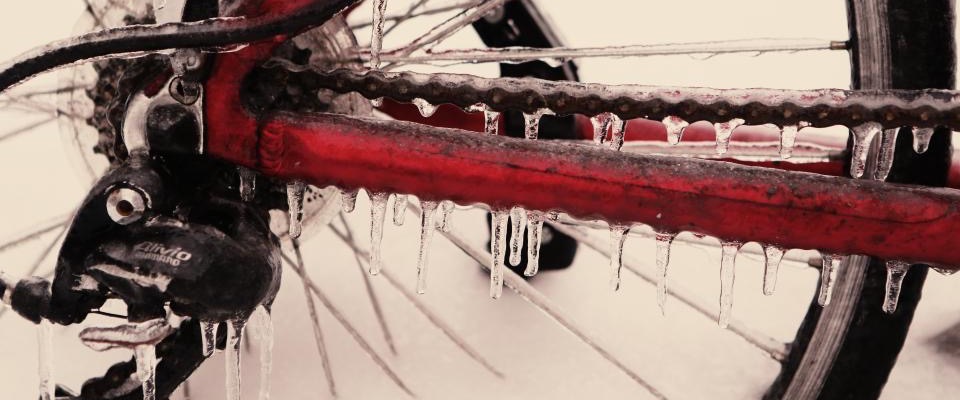
British winters are rarely brutal, but they are long, wet and dark. For an e-bike battery that means months of cold mornings, damp sheds and shorter rides. A bit of care through the colder months keeps your range predictable now and helps the pack last more seasons.
Why your range drops when it is cold
Lithium-ion cells rely on chemical reactions that slow down as temperatures fall. On a frosty morning, the battery cannot deliver energy as readily, so the controller sees voltage sag sooner and the display may show fewer bars than you expect. Riders often notice a range drop of somewhere around 10 to 30 per cent in near-freezing weather, more if they lean heavily on the higher assist levels.
This loss is mostly temporary. Bring the pack back to room temperature and the capacity returns. The practical lesson is to plan winter rides around your realistic cold-weather range, not the summer figure, and to keep the battery as warm as is sensible before you set off.
Store the battery indoors, not in the shed
If your bike lives in an unheated shed or garage, take the battery out and bring it inside overnight. A removable pack is designed for exactly this. Keep it somewhere cool, dry and away from radiators, but at normal room temperature rather than at the mercy of the overnight frost.
Choose the storage spot with fire safety in mind. Fire services across the UK advise against keeping e-bike and e-scooter batteries in hallways or on the only route out of a home. A utility room, a corner of a ground-floor room with a smoke alarm nearby, or a purpose-made fire-resistant battery bag are all better options than the foot of the stairs.
Charging in winter: warm first, then charge
Charging lithium-ion cells while they are very cold is harder on them than discharging them in the cold. Most battery management systems will refuse to charge below freezing, but it is best not to rely on that. After a cold ride, let the battery sit indoors for an hour or so until it feels room temperature before you plug it in.
A few other habits make a real difference:
- Use the charger that came with the bike, or a direct replacement from the same manufacturer. Generic chargers may have the right plug but the wrong voltage or charge profile.
- Charge while you are awake and at home. Avoid leaving a battery charging overnight or while you are out.
- Charge on a hard, non-flammable surface, not on a sofa, bed or carpet, and do not cover the charger.
- Unplug once it is full. Modern packs stop charging at 100 per cent, but there is no benefit to leaving them on the charger.
Water, salt and grit
E-bike batteries and connectors are built to cope with rain, but winter adds road salt and grit to the mix. After a wet ride, wipe the battery casing and the contacts on the frame mount with a dry cloth. Never use a pressure washer anywhere near the battery, motor or display; it can force water past seals that cope perfectly well with rain falling from above.
Check the terminals every few weeks for green or white corrosion. A small amount can be cleaned off with a dry brush, but if contacts are pitted or the pack has been submerged, have a specialist look at it before you charge it again.
Laying the bike up until spring
If you are putting the bike away for the winter, the battery needs a little preparation. Lithium-ion cells are happiest in storage at a partial charge, roughly 40 to 70 per cent, rather than completely full or completely empty. A full pack stored for months ages faster; an empty one can drift so low that the battery management system locks it out.
- Charge or ride the battery to around half full.
- Remove it from the bike and store it indoors at room temperature.
- Check the charge level once a month and top it back up to around half if it has dropped.
- Before the first spring ride, charge it fully and do a short test ride close to home.
Warning signs to take seriously
Most battery problems give some warning first. Stop using the pack and seek advice if you notice any of the following:
- Swelling, bulging or a casing that no longer sits flush in its mount.
- The battery or charger becoming unusually hot during charging.
- A sweet, chemical or burning smell.
- Hissing, crackling or popping sounds.
- Sudden, large drops in range that do not recover in warmer weather.
A battery that has been dropped hard or damaged in a crash deserves the same caution, even if it looks fine from the outside. Internal damage does not always show.
Small habits, longer life
None of this needs special tools. Bring the battery inside, let it warm up before charging, keep the contacts clean and store it half full if it will not be used for a while. Do that each winter and the pack will reward you with more predictable range and, very likely, an extra year or two before it needs replacing.
This article is general information, not legal or professional advice. Rules change; check GOV.UK and manufacturer guidance for your specific situation.