Private e-scooters in the UK: what the law allows today
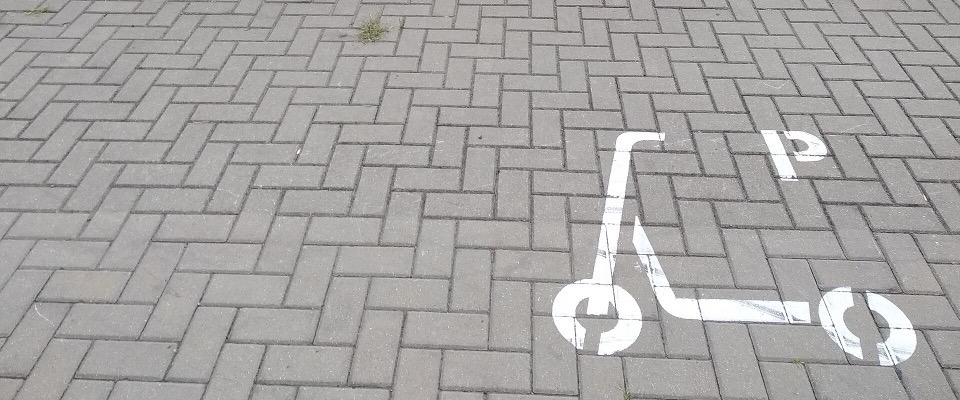
You can buy a private e-scooter from almost any high-street electronics shop, but in Great Britain you cannot legally ride one on a public road, pavement or cycle lane. The only e-scooters that can be used legally on public roads are rental scooters in official trial schemes. Here is what that means in practice, and where the grey areas are.
Why buying one is legal but riding it usually is not
There is no law against selling, buying or owning an e-scooter. The problem is using one. In Great Britain e-scooters are classed as powered transporters, which the law treats as motor vehicles. A motor vehicle used on a road or in a public place has to meet a set of requirements, including insurance, a suitable driving licence and the vehicle meeting construction and approval rules.
A privately owned e-scooter cannot currently meet those requirements. You cannot buy standard motor insurance for one, and there is no route to register it. So in practice, riding a private e-scooter anywhere covered by road traffic law is an offence.
Where a private e-scooter can be ridden
The short answer is private land, with the landowner's permission. That might be your own driveway or garden, a farm, or a private site where the owner has said yes.
It is worth being careful about what counts as private. Places the public has access to, such as supermarket car parks, retail parks and some parks or estates, may count as "public places" even though they are privately owned. If members of the public can wander in, do not assume you are on safe ground.
Where it cannot be ridden
- Public roads, including quiet residential streets.
- Pavements and footpaths.
- Cycle lanes and cycle tracks, including segregated ones.
- Shared-use paths, towpaths and bridleways open to the public.
It does not matter how slowly you ride, whether the scooter has lights, or whether it has a speed limiter fitted. A private e-scooter is not allowed on any of these.
Rental trial schemes: the legal exception
Since 2020, the government has allowed trials of rental e-scooters in selected areas, mostly towns and cities in England. These scooters are provided by approved operators who are responsible for the vehicles and the insurance. They have been permitted on roads and cycle lanes within the trial area, but not on pavements.
To ride a trial scooter you need a driving licence that carries the right entitlement. A full or provisional car licence has generally covered this, and the operator checks it when you sign up through its app. The scooters themselves have limits on speed and power set as part of the trial rules, and some operators add their own lower limits in busy areas.
Things to check before riding a rental scooter
- Is there an active trial in the area? Trials have started, ended and moved over time.
- Where can you ride and park? Operators mark no-go and slow zones in their apps.
- Are you within the operator's age and licence rules?
Trials have been extended several times while the government considers longer-term rules. Rather than relying on a date from an article, check GOV.UK and your local council or operator for the current position.
What can happen if you ride a private e-scooter in public
Police can stop you, and riding without insurance or the correct licence entitlement can lead to a fine and penalty points on a driving licence, including a provisional one. Police also have powers to seize e-scooters used illegally, and getting one back is not guaranteed.
The bigger risk is a collision. If you injure someone or damage property while riding an uninsured scooter, there is no insurer standing between you and the claim.
Northern Ireland and public transport
Northern Ireland has its own road traffic legislation, and the GB rental trials did not cover it. Riding a private e-scooter on public roads there is also not permitted; check NI Direct for the latest position.
Taking an e-scooter on public transport is a separate question. Transport for London bans e-scooters across its network, folded or not, and many train operators have similar bans, largely because of fire concerns with lithium-ion batteries. If your plan was to scoot to the station, check before you buy.
Will the law change?
The government has said for some time that it intends to create proper rules for e-scooters and similar light vehicles, using evidence from the trials. Until new legislation is actually passed and in force, the rules above still apply. Be sceptical of retailers or social media posts suggesting that private scooters are "nearly legal" or that a particular model is road-legal. At the time of writing, no private e-scooter is legal on public roads in Great Britain.
If you already own one
Keep it for private land, and look after the battery as carefully as you would an e-bike's: charge it on a hard surface with the original charger, never overnight unattended, and stop using it if the pack is damaged or swollen. Our guide to lithium battery care in winter applies just as much to scooter packs. Check with your home insurer before storing or charging one indoors.
A legal alternative for short journeys
If what you want is a small, quick way to cover a few miles, an electrically assisted pedal cycle is the legal option. A compliant e-bike can be ridden on roads and cycle lanes with no licence, insurance or registration, and folding models can go on many trains. Our plain-English guide to the EAPC rules explains what makes an e-bike legal, and our piece on folding e-bikes for the train-and-ride commute covers the practical side.
This article is general information, not legal advice. E-scooter rules and trial arrangements change; check GOV.UK, your local council and the police for the current position.