Folding e-bikes for the train-and-ride commute
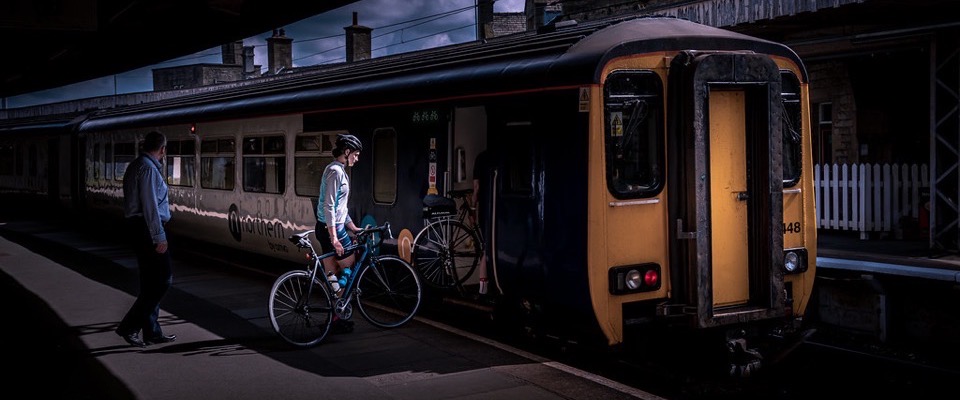
A folding e-bike can turn a train commute into a door-to-door trip: ride to the station, fold, board, unfold, ride to the office. It only works if the bike folds quickly, is light enough to lift without wincing and fits where the train lets you put it. Those three things matter more than top-line range or motor power.
Why fold rather than take a full-size bike?
Most train operators in Great Britain let you carry a fully folded bike at any time, including peak hours, without a reservation, because it is treated more like luggage than a bike. Full-size bikes are a different story: space is limited, some services restrict them at busy times, and some need a reservation. If your train is busy, a full-size bike is a gamble every morning. A folded one usually is not.
There are caveats. Each operator sets its own cycle policy, and some apply extra conditions to e-bikes or to folded bikes over a certain size. Policies on batteries and e-mobility devices have also been tightening, partly because of fire concerns. Before you buy, read the cycle policy of every operator on your route, and the policy of any metro or tram network you use at either end. Check again from time to time, because they do change.
Weight: the number you will feel twice a day
Folding e-bikes are heavier than unpowered folders because of the motor and battery. Many sit somewhere in the high teens of kilograms; some are lighter, and plenty are heavier. You will lift the bike onto the train, into a luggage area, sometimes up station stairs when the lift is out of order, and possibly up to a flat at the end of the day.
- Try lifting the folded bike to waist height and carrying it ten metres. If that feels awkward in a shop, it will feel worse on a crowded platform.
- Look for a bike with a removable battery. Taking it off before a long carry can make a noticeable difference.
- Check whether the folded bike can be rolled on small wheels or on its own wheels. Rolling beats carrying through long concourses.
Folded size and shape
The smaller and neater the fold, the easier life gets. On a train you want the bike to fit in a luggage rack area or between seat backs without blocking the aisle or doors.
Wheel size
Folding e-bikes tend to use either 16-inch or 20-inch wheels. Smaller wheels give a more compact fold and suit busy trains, but they feel the bumps more and can be twitchy over potholes. 20-inch wheels ride more like a regular bike and handle rough roads better, at the cost of a bulkier package. If your ride either side of the train is short and urban, smaller wheels make sense. If it is several miles on broken tarmac, consider the larger size.
Where the battery lives
Batteries may sit in the frame, under a rear rack, in the seat post or in a front bag. Each affects how the bike folds and balances. A battery in the frame or seat post keeps the folded shape tidy; a front-bag battery can be carried separately, which is handy for charging at your desk.
The fold itself
Ask to fold and unfold the bike several times before buying. A good commuting fold is quick once learned, does not need you to touch an oily chain, and stays folded when you pick it up. Pay attention to:
- Latches and hinges: they should close firmly with no play. A loose hinge on the main frame is a safety issue, not a nuisance.
- Catches that hold the fold together: magnets or clips that stop the bike flopping open as you lift it.
- Cable routing: motor and display cables should not be pinched or stretched as the bike folds.
- Pedals: folding pedals reduce the width and stop them catching other passengers' shins.
Range and charging
Train-and-ride commuters rarely need a large battery. If you ride a few miles at each end, a modest pack can last several days between charges, and a smaller battery keeps weight down. Work out your daily mileage, add a margin for cold weather and headwinds, and buy for that rather than for the biggest number on the listing.
If you plan to charge at work, check that your employer allows it and where. Use the original charger, charge where you can see it, and do not leave it charging overnight in an empty office. Our winter battery care guide explains why a cold pack should warm up before charging.
Legal and security points
A folding e-bike is subject to the same EAPC rules as any other e-bike: 250W continuous rated power and assistance cutting out at 15.5mph. Some imported folders are sold with higher-powered motors or unlockable speed modes, which takes them outside those rules (see UK e-bike law in plain English). A train operator is also more likely to question a bike that looks like a moped than a neat, compliant folder.
The security benefit is easy to overlook. If the bike comes into the office with you, there is no station rack to leave it in overnight and no need for a heavy lock at your destination. Check that your workplace is happy for a folded bike to sit under a desk or in a store room, and whether your insurance covers it away from home.
A quick pre-purchase checklist
- Read the cycle and e-bike policies for every train, metro and tram operator you use.
- Lift and carry the folded bike, with and without the battery.
- Fold and unfold it at least three times yourself.
- Measure the folded size against the space you expect on your usual train.
- Check the motor rating and speed limit match the EAPC rules.
- Confirm where you will charge it and where it will live at work.
If you are considering an import, our checklist for buying a China-made e-bike covers chargers, warranties and spares.
The bottom line
For a mixed train-and-ride commute, the best folding e-bike is the one you can fold in seconds, lift without strain and carry onto your train without a debate with the guard. Prioritise fold quality, weight and operator rules, then choose the range you actually need.
This article is general information, not legal or professional advice. Check manufacturer guidance and current rules for your specific situation.